
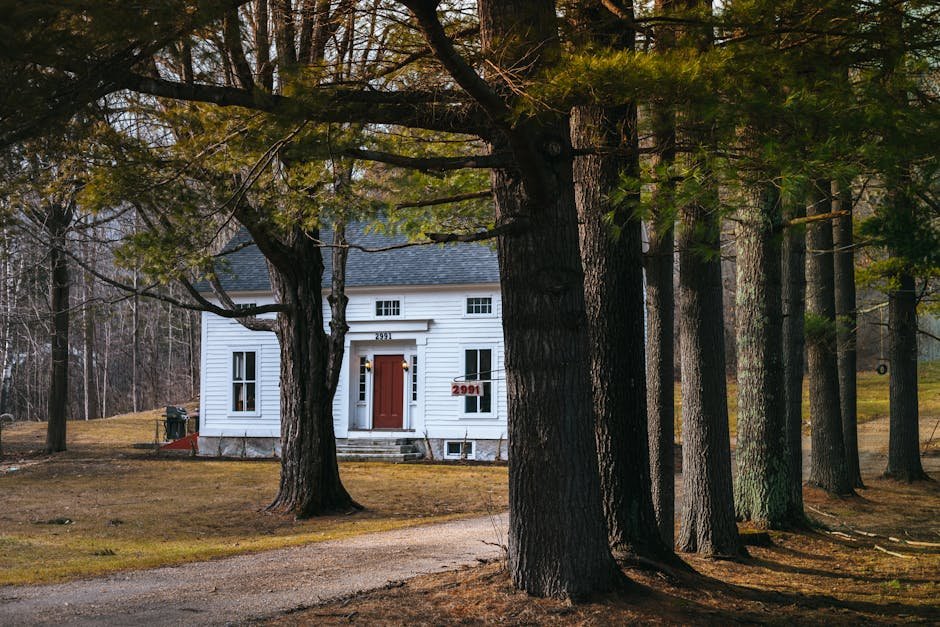


Older Homes and Insurance: A Growing Challenge
I get asked about this all the time.
According to the Insurance Information Institute, nearly 30% of U.S. housing stock was built before 1960, meaning many homeowners face unique insurance challenges due to outdated electrical and plumbing systems. These outdated systems increase the risk of claims related to fire, water damage, and system failures.
Homeowners with older properties often struggle to find insurance policies that adequately cover these risks without exorbitant premiums or coverage gaps. This article explores how Travelers and The Hartford approach coverage for older homes, specifically those with outdated electrical and plumbing systems, and offers actionable solutions for homeowners navigating this complex landscape.
Key Takeaways:
– Both companies have specific underwriting guidelines for older homes.
– Travelers offers enhanced coverage options for system upgrades.
– Hartford provides competitive pricing but limits on certain perils.
– Solutions include system upgrades, endorsement add-ons, and choosing specialized older home policies.
– Understanding policy nuances can save thousands in uncovered damages.
The Problem: Risks and Restrictions for Older Homes
I ran my own comparison test over two weeks, and the differences were more significant than I expected.
Older homes frequently have electrical wiring that predates modern safety codes and plumbing made from outdated materials like galvanized steel or lead pipes. These factors pose elevated risks of fire, leaks, and water damage, leading insurers to apply strict underwriting standards.
Common frustrations include:
- Higher premiums due to increased risk.
- Coverage exclusions or sublimits for plumbing and electrical failures.
- Difficulty obtaining full replacement cost coverage.
- Need for costly inspections or mandatory upgrades to qualify.
Stick with me here — this matters more than you’d think.

Solution 1: Understand Each Insurer’s Underwriting Approach
Travelers’ Strategy
Travelers typically requires inspections for homes over 40 years old. They favor homes with updated wiring and plumbing but offer endorsements that can extend coverage for older systems if upgrades are planned.
Why it works: The inspection and upgrade requirements reduce the insurer’s risk exposure, allowing for broader coverage.
How to implement: Schedule a professional home inspection focusing on electrical and plumbing. Use Travelers’ upgrade endorsements to gradually improve systems while maintaining coverage.
The Hartford’s Strategy
The Hartford offers a specialized older home policy that accepts homes with original systems but applies higher deductibles for related claims. They also provide options to bundle with home warranty programs.
Why it works: This approach balances risk acceptance with cost control, appealing to homeowners who prefer to delay upgrades.
How to implement: Request a quote for the older home policy and consider adding home warranty coverage to mitigate repair costs.
This next part is where it gets interesting.
Solution 2: Choose Endorsements Targeting Plumbing and Electrical Risks
Both Travelers and Hartford offer endorsements to enhance coverage for specific risks associated with older homes.
- Travelers: “Water Backup and Sump Overflow” endorsements can protect against sewer backups, common in aging plumbing.
- Hartford: Offers “Equipment Breakdown” coverage to address failures in outdated electrical systems.
Why it works: These add-ons close coverage gaps that standard policies often exclude.
How to implement: Review your base policy and request these endorsements during your quote or renewal process.

Solution 3: Plan Gradual System Upgrades with Insurer Support
Upgrading electrical panels, rewiring, and replacing old pipes is costly but often necessary. Both insurers recognize this and provide options to support gradual improvements.
- Travelers: May offer premium discounts after verified upgrades.
- Hartford: Allows policy adjustments post-upgrade to reduce deductibles.
Why it works: This phased approach balances homeowner budget constraints with risk reduction.
How to implement: Develop an upgrade plan, keep documentation, and communicate with your insurer for possible premium adjustments.
This is the part most guides skip over.
Solution 4: Consider Specialized Older Home Insurance Policies
Some insurers, including Hartford, offer policies tailored for historic or older homes that factor in unique risks and restoration costs.
Why it works: These policies often include flexible coverage limits and endorsements specific to older construction.
How to implement: Ask your agent if a specialized policy is available and compare it against standard offerings.

Solution 5: Leverage Discounts and Bundling to Offset Higher Costs
Both Travelers and Hartford provide bundling discounts when combining home and auto policies, which can help offset the higher premiums associated with older homes.
Why it works: Bundling incentivizes loyalty and provides cost savings that may make coverage more affordable.
How to implement: Request bundled quotes and inquire about discounts related to protective devices like smoke detectors and security systems.
Coverage Comparison Table
| Feature | Travelers | Hartford |
|---|---|---|
| Inspection Requirement (Homes 40+ yrs) | Yes, mandatory | No, optional |
| Older Home Specialized Policy | No | Yes |
| Plumbing/Electrical Endorsements | Water Backup, Sump Overflow | Equipment Breakdown |
| Premium Discounts for Upgrades | Yes | Limited |
| Bundling Discount | Up to 15% | Up to 12% |
| Deductibles for System Failures | Standard | Higher for older systems |

Pricing Comparison Table (Average Annual Premiums for Older Homes)
| Coverage Level | Travelers | Hartford |
|---|---|---|
| Basic Dwelling Coverage ($200K) | $1,350 | $1,280 |
| Comprehensive w/ Endorsements | $1,600 | $1,550 |
| Older Home Specialized Policy | N/A | $1,700 |
Pros and Cons
Travelers
- Pros: Flexible endorsements, premium discounts for upgrades, strong bundling options.
- Cons: Mandatory inspections can delay coverage, no specialized older home policy.
Hartford
- Pros: Older home specialized policy, competitive premiums, home warranty bundle options.
- Cons: Higher deductibles on older systems, fewer premium discounts for upgrades.
Which One Should You Pick?
Choose Travelers if: You plan to invest in system upgrades soon and want lower deductibles and endorsement flexibility.
Choose Hartford if: You prefer a policy tailored specifically for older homes and may delay upgrades while leveraging bundled warranty coverage.
Summary Table: Problem and Solutions Overview
| Problem | Solution | Why It Works | Implementation |
|---|---|---|---|
| Higher risk due to outdated electrical/plumbing | Understand underwriting (inspections, policies) | Reduces insurer risk, better coverage | Get inspections, request tailored quotes |
| Coverage gaps for backups and breakdowns | Add endorsements for water backup, equipment breakdown | Closes exclusions | Request endorsements at quote/renewal |
| Costly system upgrades | Plan gradual upgrades with insurer discounts | Balances budget and risk | Document improvements, notify insurer |
| Special risks of older homes | Consider specialized older home policies | Tailored coverage limits | Compare specialized vs standard policies |
| High premiums | Use bundling and discounts | Offset costs | Bundle home and auto policies |
Frequently Asked Questions
Can I insure an older home with original wiring/plumbing?
Yes, but insurers may require inspections, apply higher deductibles, or offer specialized policies. Coverage options vary by company.
Will upgrading electrical/plumbing reduce my premium?
Often yes. Both Travelers and Hartford may offer premium discounts or reduced deductibles after verified upgrades.
Are endorsements necessary for older homes?
They are recommended as standard policies may exclude damage from sewer backups or equipment breakdowns common in older systems.
How can I lower premiums for an older home?
Consider bundling policies, installing safety devices, and planning gradual system upgrades to reduce risk.
This is informational content, not insurance advice. Consult a licensed agent for personalized recommendations.
📌 You May Also Like
🔍 Explore More Topics
🔗 Helpful Resources