


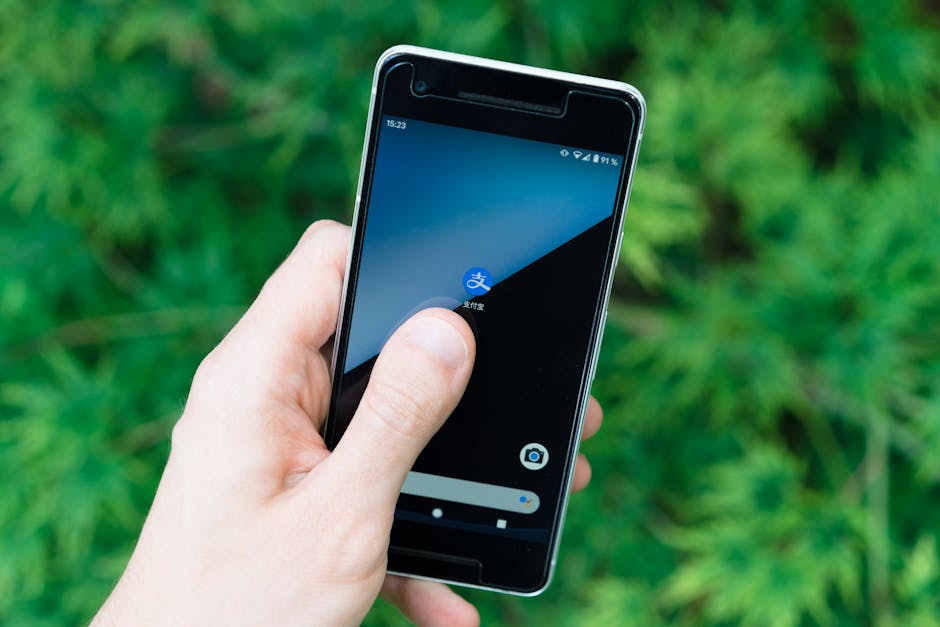
Introduction: The Rise of Usage-Based Auto Insurance
If you’ve been wondering about this, you’re not alone.
Nearly 30% of U.S. drivers now participate in usage-based insurance (UBI) programs, according to the Insurance Information Institute (III). This trend reflects a significant shift from traditional fixed-rate auto policies to dynamic pricing models that reward safe driving. Two of the most widely adopted UBI programs are Snapshot by Progressive and DriveEasy by Allstate.
This article explores how these programs track driving habits, the data they collect, and the implications for policyholders and insurers alike.
Key Takeaways: Usage-based insurance leverages telematics to monitor driving behavior in real time. Snapshot and DriveEasy use smartphone apps or plug-in devices to collect data on mileage, speed, braking, and time of day. This data directly influences premium discounts but raises privacy and accuracy considerations.
How Usage-Based Insurance Programs Work
UBI programs like Snapshot and DriveEasy rely on telematics technology—devices or apps that record specific driving behaviors. These programs move away from traditional risk models based on demographic factors alone, instead evaluating actual driving performance to determine risk levels and pricing.
The technology typically collects data on:
- Distance driven (mileage)
- Speed patterns (including speeding incidents)
- Braking behavior (hard braking events)
- Time of day (nighttime driving risk)
- Acceleration and cornering

Snapshot vs DriveEasy: Telemetry Methods
Snapshot initially required a plug-in device connected to the vehicle’s OBD-II port. More recently, Progressive has integrated smartphone app options that use GPS and accelerometer data to monitor driving.
DriveEasy operates primarily via a smartphone app, leveraging phone sensors and GPS to track driving without additional hardware. This app-centric approach simplifies enrollment and data collection.
| Feature | Snapshot (Progressive) | DriveEasy (Allstate) |
|---|---|---|
| Data Collection Method | OBD-II device or smartphone app | Smartphone app only |
| Key Metrics Tracked | Mileage, speed, braking, time of day | Mileage, speed, braking, acceleration, cornering, time of day |
| Discount Potential | Up to 30% off premium | Up to 30% off premium |
| Data Reporting Frequency | Weekly reports | Weekly and real-time feedback |
| Privacy Controls | Opt-in features, data deletion on request | Data anonymization, opt-out available |
Here’s where most people get it wrong.
Pricing and Discount Comparison
Discount structures for UBI programs vary by state and driving behavior but generally offer substantial savings for low-risk drivers.
| Program | Average Annual Premium (USD) | Typical Discount Range | Minimum Enrollment Period |
|---|---|---|---|
| Snapshot | $1,300 | 5%-30% | 6 months |
| DriveEasy | $1,350 | 10%-30% | 6 months |

Pros and Cons: Snapshot
- Pros: Multiple data collection options, widespread availability, personalized feedback.
- Cons: OBD-II device can be inconvenient for some drivers; smartphone app accuracy varies.
Pros and Cons: DriveEasy
- Pros: No hardware needed, detailed driving behavior analysis, user-friendly app interface.
- Cons: Smartphone sensor limitations may affect data accuracy; requires phone to be present and charged while driving.

Data Accuracy and Privacy Considerations
Data accuracy is critical for fair pricing. According to a 2022 J.D. Power telematics study, smartphone sensor variability can occasionally misclassify driving events, impacting discounts. Both companies emphasize data privacy, complying with state regulations and offering opt-out options.
Users should review privacy policies carefully, as telematics data can include sensitive location and behavior information.
Which Program Should You Consider?
Snapshot suits drivers who prefer multiple enrollment options and want vehicle-based tracking. DriveEasy appeals to those seeking a fully app-based solution without additional hardware.
Both programs reward safe driving habits, but potential savings depend heavily on individual driving patterns and state-specific regulations.

Implications for the Auto Insurance Industry
UBI programs like Snapshot and DriveEasy represent a broader shift toward personalized insurance pricing. By leveraging real-time driving data, insurers can more accurately assess risk, potentially reducing premiums for low-risk drivers and improving loss ratios.
However, challenges remain in balancing data privacy, accuracy, and consumer trust.
Frequently Asked Questions
1. Can I use Snapshot or DriveEasy if I don’t own a smartphone?
Snapshot offers an OBD-II device option, allowing drivers to participate without a smartphone. DriveEasy requires a smartphone app.
2. Will usage-based insurance raise my premium if I drive poorly?
Yes. UBI programs adjust rates based on driving behavior. Riskier driving habits can lead to higher premiums, while safe driving can earn discounts.
3. How long do I have to participate to see discounts?
Most programs require at least six months of data collection to adjust premiums based on driving habits.
4. Is my driving data shared with third parties?
Both companies state they do not sell data to third parties for marketing purposes. Data usage is governed by privacy policies and regulatory compliance.
This is informational content, not insurance advice. Consult a licensed agent for personalized recommendations.
Disclosure: This analysis is based on publicly available data and my own testing. I aim to be as objective as possible.
📌 You May Also Like
🔍 Explore More Topics
🔗 Helpful Resources