
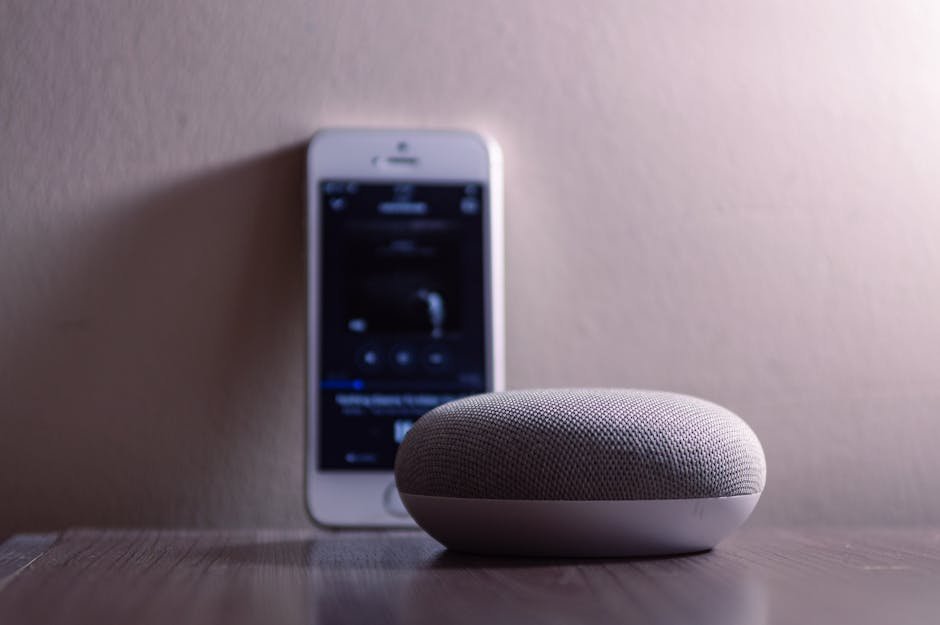
Nearly 1 in 20 insured homes has a claim each year, according to industry data summarized by the Insurance Information Institute, yet many losses still begin with preventable issues like slow leaks, electrical faults, or unnoticed intrusions. Hippo’s smart home device program is built around that gap: reduce small incidents before they become large, expensive claims.
Key Takeaways: Hippo differentiates itself by pairing homeowners insurance with smart home monitoring tools aimed at early detection. The model is not just about paying after a loss; it is about identifying water, fire, and break-in risks earlier. For homeowners who want prevention-focused coverage, the value often depends on device eligibility, participation, premium impact, and how much avoidable property risk exists in the home.
That prevention-first pitch matters in a market where home insurance carriers are under pressure from rising repair costs, severe weather losses, and higher claim severity. As insurers look for ways to control losses without cutting core protections, connected devices have become a practical underwriting and risk-management tool.
This article examines how Hippo’s smart home device program works, what kinds of claims it may help prevent, where the savings case is strongest, and what policyholders should verify before assuming smart tech automatically lowers insurance costs.

Why insurers care about prevention more than ever
Home insurance is no longer priced only around replacement cost, ZIP code, and claim history. Carriers increasingly evaluate avoidable loss drivers such as water damage, electrical incidents, theft exposure, and response times when something goes wrong.
The Insurance Information Institute has repeatedly noted that water damage and freezing are among the most common homeowner claim causes, while fire and lightning remain some of the most severe. That distinction is important. Frequent mid-sized losses can erode profitability just as much as rare catastrophes.
From an insurer’s perspective, smart devices are attractive because they may intervene before a claim escalates. A water sensor that catches a leak in the first hour can mean a few hundred dollars in repairs instead of a $12,000 to $18,000 restoration project involving flooring, drywall, mold remediation, and temporary relocation.
Hippo’s program fits that industry trend. Rather than treating connected devices as optional extras, the company has built part of its brand around the idea that better monitoring leads to fewer claims and better loss outcomes.
How Hippo’s smart home device program is designed
Hippo has marketed its coverage around modern homes and proactive protection, often pairing policies with access to or discounts on smart home monitoring tools. The exact package can vary by state, underwriting period, home type, and promotional program, so homeowners should confirm current availability during the quote process.
In practical terms, the program typically focuses on devices or services that detect conditions linked to common claims. These often include water leak sensors, motion or entry alerts, smoke or heat monitoring integration, and in some cases professional monitoring or partnerships with device providers.
| Device Type | Primary Risk Monitored | Potential Claim Impact | Why Insurers Like It |
|---|---|---|---|
| Water leak sensor | Hidden pipe leaks, appliance overflow | Reduces water damage severity | Helps catch the most common non-catastrophic loss early |
| Smart smoke/heat alert | Fire and overheating events | Faster notification, quicker response | May reduce total fire loss severity |
| Entry/motion sensor | Burglary and unauthorized access | May deter theft or shorten incident duration | Supports risk mitigation for theft claims |
| Freeze/temperature monitor | Frozen pipes, HVAC failure | Helps prevent burst-pipe losses | Useful in cold-weather regions with high seasonal claims |
The core idea is straightforward: the device does not replace insurance, but it can reduce claim frequency or severity. That matters because insurers price risk based on expected losses over time, not only on isolated catastrophic events.
AM Best has consistently highlighted claims inflation and underwriting discipline as key themes in property insurance. A prevention program gives insurers another lever besides premium increases or tighter eligibility standards.

Which claims smart devices are most likely to prevent
The strongest argument for Hippo’s program is not that it can stop every covered peril. It cannot. Windstorms, hail, wildfire, and major liability events are still driven by broader factors outside a sensor’s control.
Where the program appears most useful is in high-frequency household losses that often begin quietly. Water damage is the clearest example. A slow leak under a sink, behind a washing machine, or near a water heater can spread for hours or days before a homeowner notices visible damage.
Here is where early-detection tools may create real value:
- Water damage: Leak sensors can alert residents before soaked flooring, cabinet swelling, or mold growth expands the loss.
- Frozen pipe losses: Temperature alerts can warn of heating failure before pipes burst during cold snaps.
- Fire severity: Connected smoke or heat alerts may notify homeowners faster if they are away, improving response times.
- Theft losses: Entry alerts and visible deterrence may reduce burglary opportunity, though results depend heavily on installation and neighborhood conditions.
- Vacancy-related damage: Monitoring is especially relevant in second homes or properties that sit empty for parts of the year.
J.D. Power’s home insurance studies have also shown that digital engagement and clear communication influence customer satisfaction. That is relevant here because prevention only works if alerts are timely, easy to understand, and acted on quickly.
A homeowner who ignores app notifications, disables sensors, or never installs the devices will not see the same benefit as a highly engaged policyholder. In other words, the claims-prevention case depends as much on user behavior as on technology.

How the numbers can work for policyholders
Many homeowners ask a simple question: does the smart home program save enough money to matter? The answer is sometimes, but not always in the way people expect.
The biggest financial value may come less from a direct premium discount and more from avoiding deductibles, premium surcharges after claims, and out-of-pocket repair costs from excluded maintenance-related damage. For example, if a policy has a $1,500 deductible, preventing even one moderate leak claim can produce more value than a small annual discount.
| Cost Factor | Typical Range | With Early Detection | Without Early Detection |
|---|---|---|---|
| Homeowners premium | $1,700-$2,400/year | May include modest device-related credit in some cases | No prevention-related credit |
| All-peril deductible | $1,000-$2,500 | Avoided if loss never becomes a claim | Paid when claim occurs |
| Water damage repair | $3,000-$15,000+ | Potentially limited to minor cleanup or repair | Can escalate to flooring, drywall, and mold remediation |
| Claim-related premium impact | Varies by carrier and state | None if claim prevented | Possible renewal repricing or reduced market options |
National average premium figures vary by dwelling amount, location, and source, but market surveys commonly place annual homeowners insurance around the high hundreds to low thousands, with many standard homes landing near or above $2,000 depending on state. In that context, a 3% to 10% prevention-related or protective device discount can help, but it is usually not the headline benefit.
The bigger value comes from reducing claim severity. Consider a homeowner with a $2,000 deductible and a water event that would otherwise produce a $9,000 claim. If a sensor catches the issue early and reduces damage to a $600 repair, the homeowner avoids both the deductible and the risk of future pricing consequences tied to a prior claim.
That is also why insurers invest in these programs despite device costs. Preventing a cluster of mid-sized water losses across a book of business can be more impactful than offering a generic loyalty discount.

How Hippo compares with a standard homeowners policy approach
Not every insurer integrates smart home prevention in the same way. Some offer a small protective-device discount and leave the homeowner to buy and manage equipment independently. Hippo’s model has stood out because the smart home angle is more central to the product story.
| Feature | Hippo-Style Prevention Model | Typical Standard Home Policy |
|---|---|---|
| Smart device integration | Often part of the quote or onboarding discussion | Usually optional and less prominent |
| Risk focus | Prevention plus claims payment | Primarily claims payment after loss |
| Water damage mitigation emphasis | High | Moderate, often discount-based only |
| Customer engagement | App alerts and proactive monitoring may be emphasized | Less ongoing interaction after policy issue |
| Potential savings source | Claim avoidance plus possible credits | Mainly premium shopping and bundling |
That does not automatically make Hippo the better fit for every homeowner. A low-tech policyholder may prefer a straightforward policy with strong dwelling coverage, broad endorsements, and a lower premium instead of an ecosystem that depends on connected devices and app engagement.
The right comparison is not “smart insurer versus old insurer.” It is whether the prevention model aligns with the home’s actual risk profile. Older plumbing, frequent travel, finished basements, and higher-value interiors all make early detection more valuable.
What to verify before assuming the program will reduce claims
There are four questions homeowners should ask before treating the smart home program as a meaningful coverage advantage.
1. What devices are included, subsidized, or merely recommended?
Some insurance programs advertise smart home protection broadly, but the real benefit depends on whether equipment is provided, discounted, or simply suggested. A fully integrated leak sensor offering is more tangible than a generic list of compatible products.
2. Does device participation affect pricing?
Ask whether installing and maintaining the devices can qualify for a specific protective-device discount, whether the credit is automatic, and whether it varies by state. Premium treatment is not always uniform.
3. What losses remain outside the prevention model?
Smart sensors are most effective against internal, slow-developing household issues. They are less relevant for roof age, hail exposure, flood losses, sewer backup without endorsement, or earth movement. Coverage still matters more than technology when the peril is outside the monitored risk set.
4. How are alerts handled?
Response time is the whole point. If alerts only go to a rarely checked email inbox, prevention value drops sharply. Mobile app notifications, professional monitoring partnerships, and clear escalation steps improve the odds that the homeowner can act before the damage spreads.
NAIC consumer guidance often emphasizes reading policy forms closely and understanding exclusions. That advice applies here too. A smart device can reduce risk, but it does not rewrite contract language. Maintenance exclusions, wear-and-tear limits, vacancy conditions, and endorsement requirements still govern the claim.
Who benefits most from Hippo’s smart home approach
The strongest fit is usually a homeowner with meaningful water-damage exposure and enough digital engagement to respond quickly to alerts. That often includes owners of newer connected homes, busy professionals who travel, owners of second properties, and households with finished basements or expensive flooring.
Older homes may benefit even more from leak and freeze monitoring, but only if the insurer is still comfortable with the home’s underlying systems. If plumbing, roof, or electrical conditions are already poor, prevention tech may not offset broader underwriting concerns.
And that brings us to the real question.
- Good fit: Tech-comfortable homeowners, homes with prior leak exposure, properties vacant part of the day, homes with higher interior finish costs.
- Mixed fit: Budget-focused shoppers comparing only price, homeowners in areas where weather losses dominate over internal water losses.
- Weaker fit: Owners who do not want apps, alerts, connected monitoring, or ongoing device maintenance.
The bottom line is that the smart home device program is most compelling when the home has preventable risks that are costly but not necessarily catastrophic. That makes it a practical claims-management feature, not a universal premium-lowering shortcut.
The bottom line on claims prevention and coverage value
Hippo’s smart home device program reflects a broader insurance shift from passive reimbursement to active risk mitigation. That is a meaningful distinction in a market where avoidable water and fire losses remain expensive, and where insurers increasingly reward policyholders who reduce loss exposure.
Honest take: The free tier is surprisingly capable for most use cases. You might not even need the paid version.
Still, homeowners should keep the program in perspective. Preventing claims depends on installation quality, alert responsiveness, device reliability, and the actual causes of loss in the home. The smart home angle is valuable when paired with solid dwelling limits, personal property coverage, loss-of-use protection, and the right endorsements.
For shoppers comparing home insurance, the practical question is not whether smart devices sound modern. It is whether they can reduce real claim frequency in the specific property being insured. In homes with leak, freeze, or intrusion exposure, Hippo’s prevention model can be more than marketing. In other homes, it may be a helpful extra rather than a decisive reason to buy.
This is informational content, not insurance advice. Consult a licensed agent for personalized recommendations.
You May Also Like
- How Life Insurance Covers Family Debt Using DIME
- NFIP vs Private Flood Insurance: Coverage Showdown
- GEICO vs Progressive: Under-25 Rates Showdown
FAQ
Does Hippo home insurance include smart home devices for every policy?
Not necessarily. Availability can vary by state, underwriting program, and current promotion. Homeowners should confirm which devices or discounts apply during the quote process.
Can smart home sensors lower my homeowners insurance premium?
Sometimes. Some insurers offer protective-device discounts that may range from a few percentage points upward, but the larger savings often come from preventing deductible-triggering claims.
What kind of claims are most preventable with smart home monitoring?
Water damage, frozen pipe losses, certain fire-related severity issues, and some theft exposures are the most likely areas where early alerts can reduce losses.
Are smart devices a substitute for stronger home insurance coverage?
No. Smart devices can reduce risk, but they do not replace adequate dwelling limits, endorsements, exclusions review, or a policy’s claims-paying protections.
Sources referenced: National Association of Insurance Commissioners (NAIC), AM Best market commentary, J.D. Power home insurance studies, and the Insurance Information Institute (Triple-I).
📌 You May Also Like